




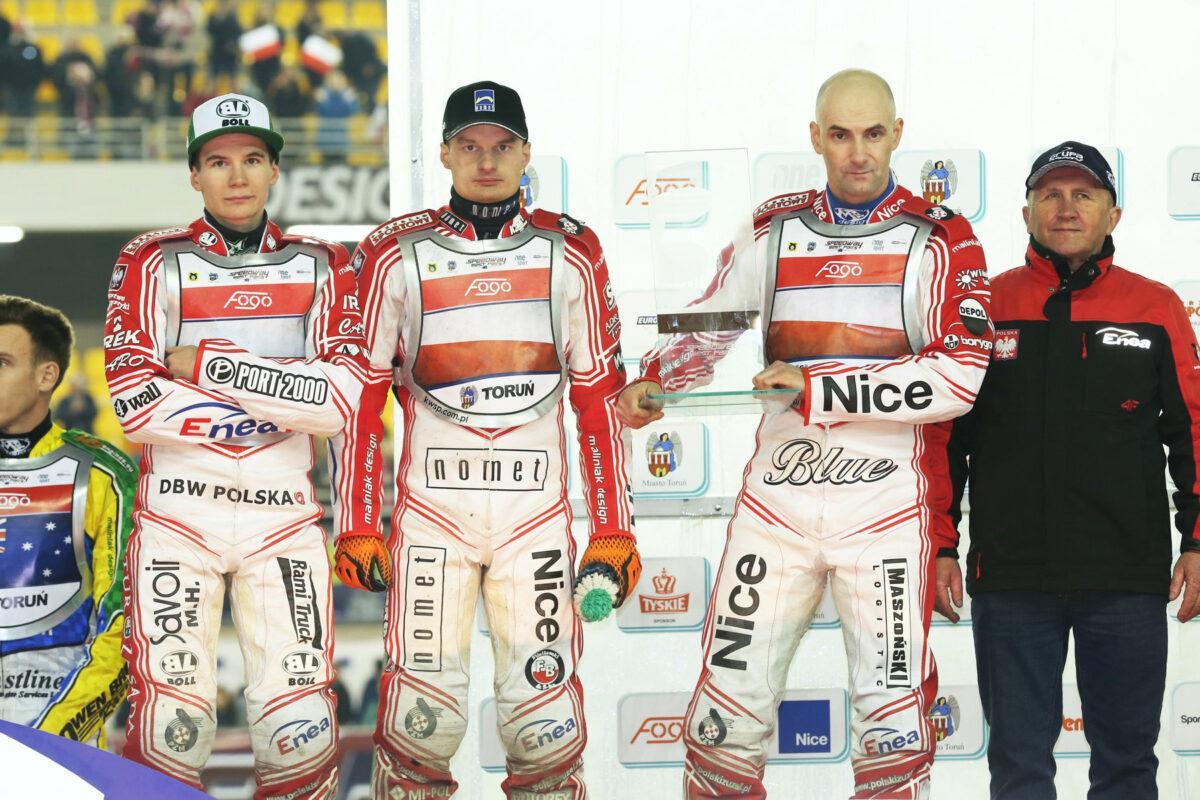
Adrian Miedziński is a former Polish representative who, together with the team, won two gold medals at the Speedway World Cup, and also has a win at the Junior World Team Championships to his name. In an interview with ekstraliga.pl, he talks about the challenges he faced while competing with the Eagle emblem on his chest.
Łukasz Rusiecki (ekstraliga.pl): You started your official appearances for the Polish national team in the Junior World Team Championships during the 2006 season finale in Rybnik, where you scored 8 points in 4 starts and, together with the team, won the gold medal with a 14-point lead over the Swedes. How do you recall your debut in this event?
Adrian Miedziński (two-time Speedway World Cup gold medalist): At that time, I wasn’t really thinking about a senior career. It was my last year as a junior. The format for junior competitors appeared for the first time. It was great to start the competition this way and set a benchmark for young riders.
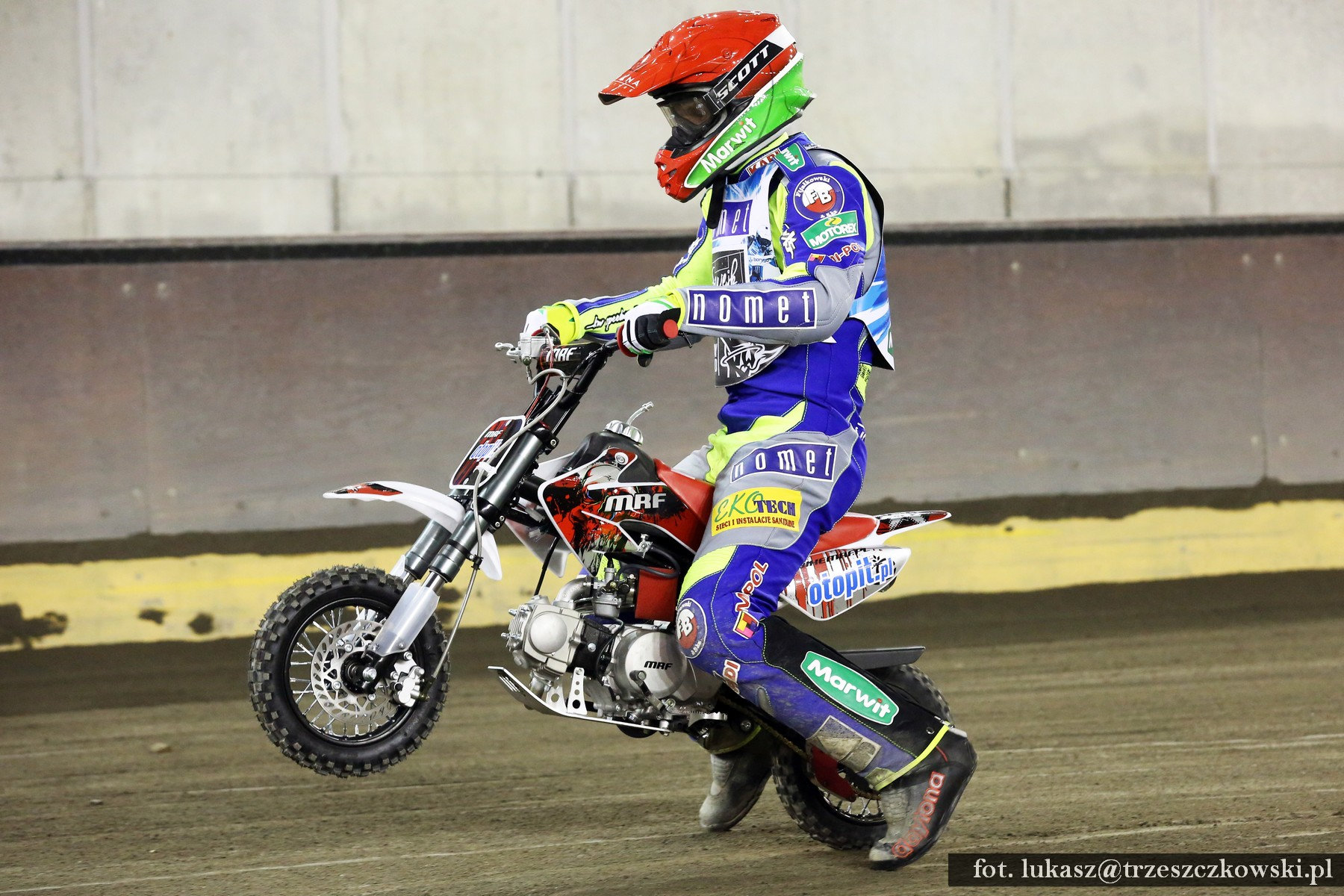
Did such an initiation give you a mental advantage and bring calm when you entered the senior squad three seasons later? In 2009, you won the semifinal in Peterborough ahead of Australia and Great Britain, where especially the former had a strong lineup, featuring Leigh Adams, Jason Crump, and Chris Holder.
We had already competed against those riders in junior categories during various international events, which gave us a standard of our level, and this is why we were favorites. It was different in Peterborough, as we weren’t the favorites there. England has its own rules, and the riders who competed there regularly had a significant advantage regarding track familiarity over those who didn’t race there at all or only occasionally.
As a junior, you had quite an early opportunity to gain experience on British tracks, such as the highly technical oval in Eastbourne or with the Oxford Cheetahs, and your performance kind of supports this thesis because you scored 10 points in the semifinal. However, after a discussion with coach Marek Cieślak, it seems there were usually many concerns among Polish riders about racing on such tracks. Did you also have similar feelings, and did you prepare special engines for these tracks?
The English league, which was very strong at the time, is a completely different story. As a young rider, I didn’t have a sufficient budget to have access to tuners and engines designed solely for British tracks. I once received help from a British rider in Eastbourne, and I felt okay there. The engine was good enough to smoothly navigate the corners, as it’s essential for the engine to be tailored to the specific track geometry. Today, there are completely different possibilities, but back then, I went there to learn from the best, and whether it had an impact on Peterborough? I think not, as Peterborough had one of the gentlest tracks. I would compare it to the new Belle Vue Aces facility in Manchester.
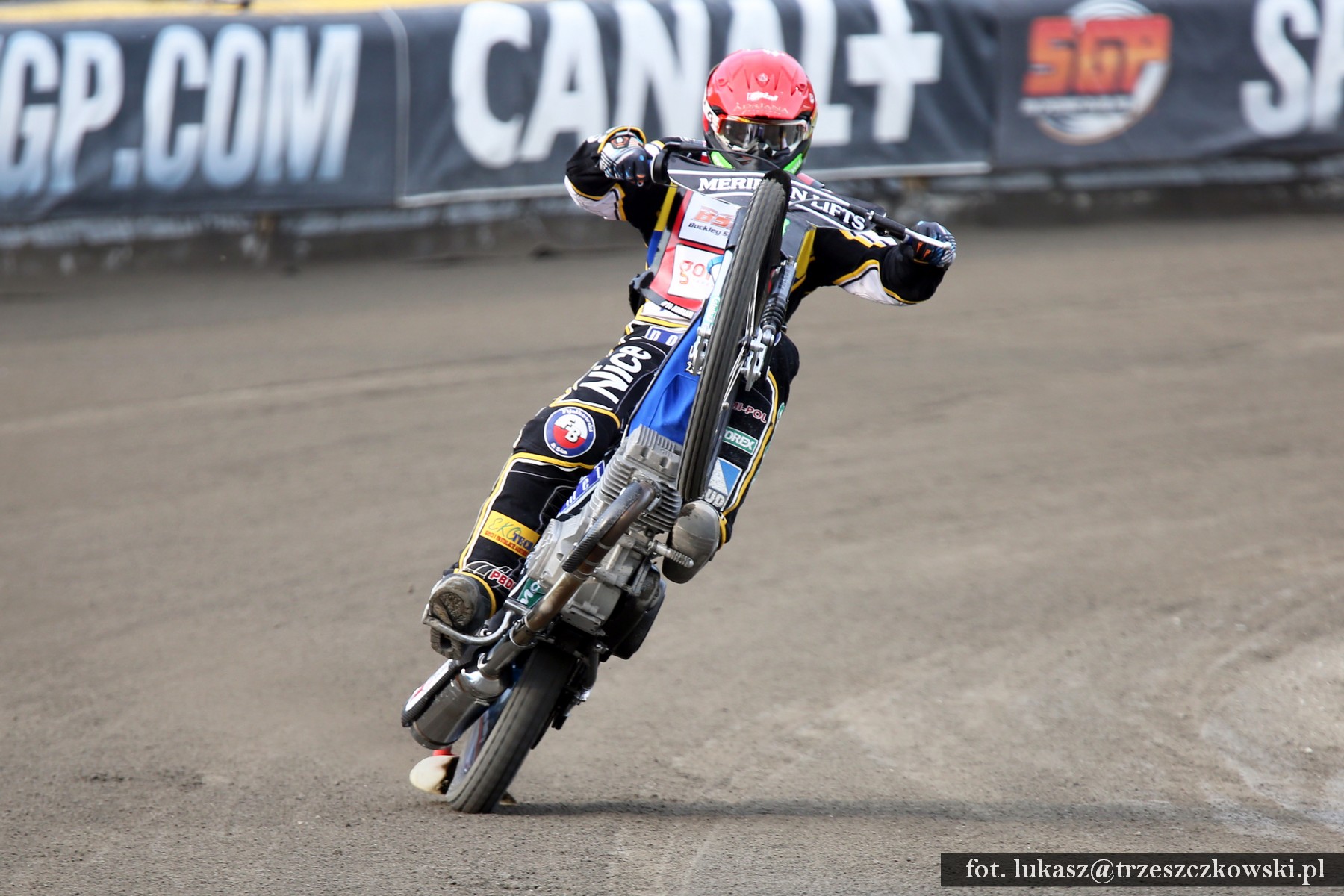
The final in Leszno, which was postponed to the next day at 11 a.m. due to rain, remains in the memory of many fans. Especially since you snatched gold in the last race due to the risky decision to lend Tomasz Gollob Krzysztof Kasprzak’s bike.
Tomasz made that decision, being another experienced rider who knew what he was doing and had the greatest abilities among us because if you keep trying something, and it doesn’t work out, why not try a completely different bike? It’s known that things like the handlebars or peg positions are set a bit differently, and there are other minor variables, but an experienced rider can handle it without any issues. It’s great that Tomasz made such a decision since he knew he couldn’t save a difficult situation with his equipment and had to try a different lifeline to win.
Seeing your undisputed leader struggle, was it hard to gather yourselves together and get back into the fight for victory?
Each of us focused on riding our best. Both Tomasz and the rest of us were looking for the right setups, but you can’t just assume that someone not doing well means you shouldn’t gather points. The team should support the weaker link and fill in the gap, and that’s how you build something great. We tried to talk and cooperate a lot, which I think was visible. Tomasz needs to be praised for the risk he took, because if he hadn’t done it, we might have lost that gold. Possibly, if we had secured the win earlier, there wouldn’t have been the need for such a decision on his part because there would simply be no need for such a search. In this situation, we had to take the risk by observing a much younger and less experienced teammate, which shows the great class of the rider.
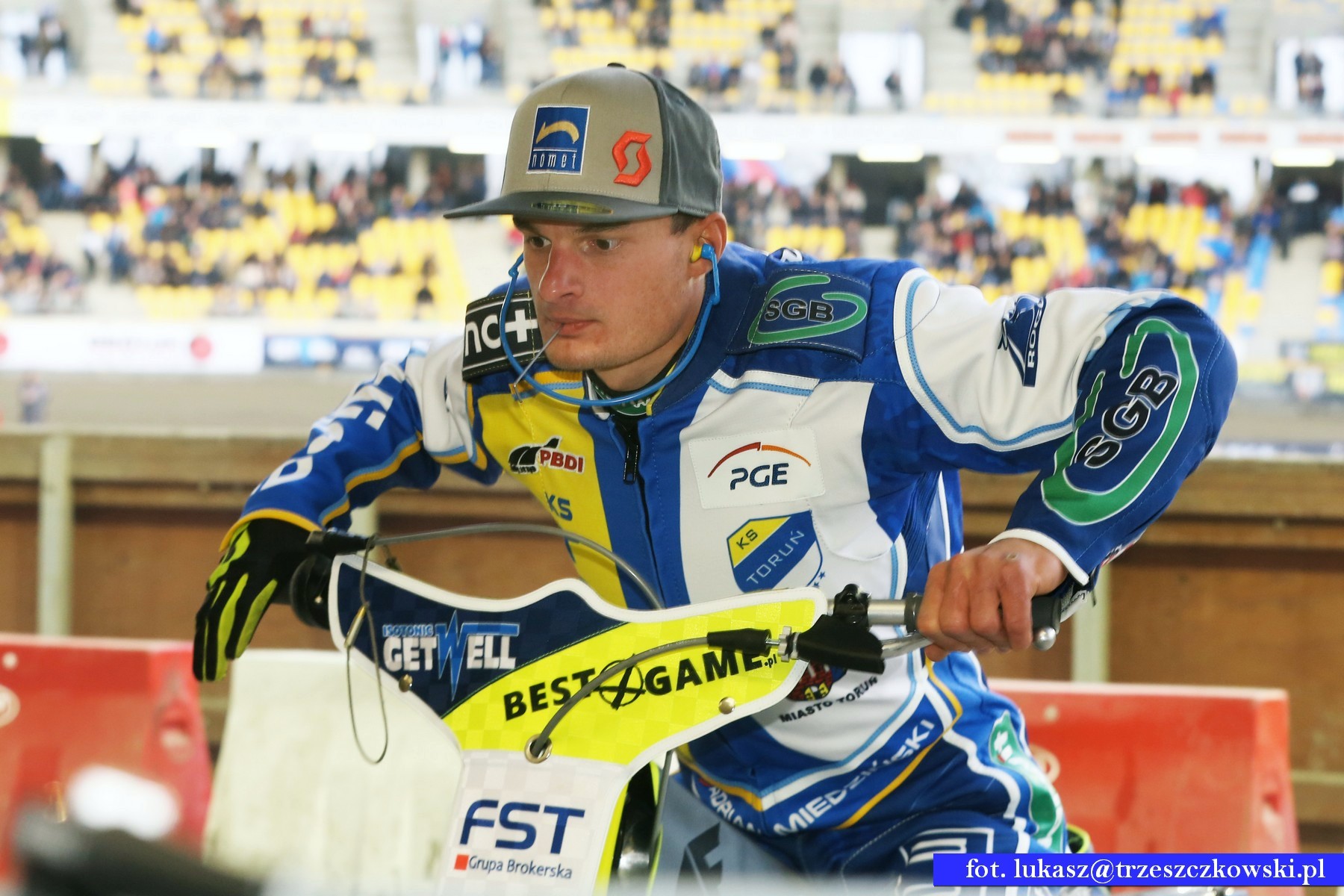
A year later in Vojens, you scored 5 points, and those competitions probably didn’t go entirely according to your plans, but you still managed to finish ahead of your main competitors for the gold, the Danes, and succeeded in winning. How do you assess that event?
As a team, we did our job, and in the end, the medals won are what count, though of course, you would like to achieve double figures. The Vojens track is not easy, and the start is crucial. I don’t remember how the starting grid was set up, and it’s very difficult to overtake there, and with such a strong field, every small mistake is exploited. The key spot starts are definitely crucial, as is what starting position you have and whether you race after the track leveling. Those weren’t easy competitions for me, but I’m happy that we had enough points to win the gold.
How do you recall working with coach Cieślak and with the other team members? With whom did you have the best relationship?
I think I can say that I had the best relationship with Piotr Protasiewicz, with whom I spent a lot of time, partly due to being in the same club in Sweden. I remember this fondly, while Coach Marek Cieślak was certainly someone who could make the right decision at the right time, which is what characterizes a person who has experience and intuition. I also had the opportunity to work with him during one season in Częstochowa and remember that well.
Did riding with the Eagle on your chest ignite additional reserves of motivation in you, and did you feel greater pressure compared to individual competitions?
Whether it’s individual competitions, like the Speedway Grand Prix or the Speedway World Cup, those events stir more emotions because you know you’re riding for yourself and the entire speedway world is watching you, and you have to showcase yourself as best as you can. I especially remember my debut in Peterborough and the pressure and stress associated with that event. For a young rider like me, who was competing for the first time in this event against strong riders, it was a big deal. The stress was so high that I didn’t eat anything before the competition and was so tense that I remember after the competition in Peterborough, on the way to the airport, we had to stop because I was vomiting. It was the only such incident in my career. I fondly remember that time, although I was then the youngest because besides me, the lineup included current speedway retirees like Krzysztof Kasprzak, Jarosław Hampel, Piotr Protasiewicz, and Tomasz Gollob.
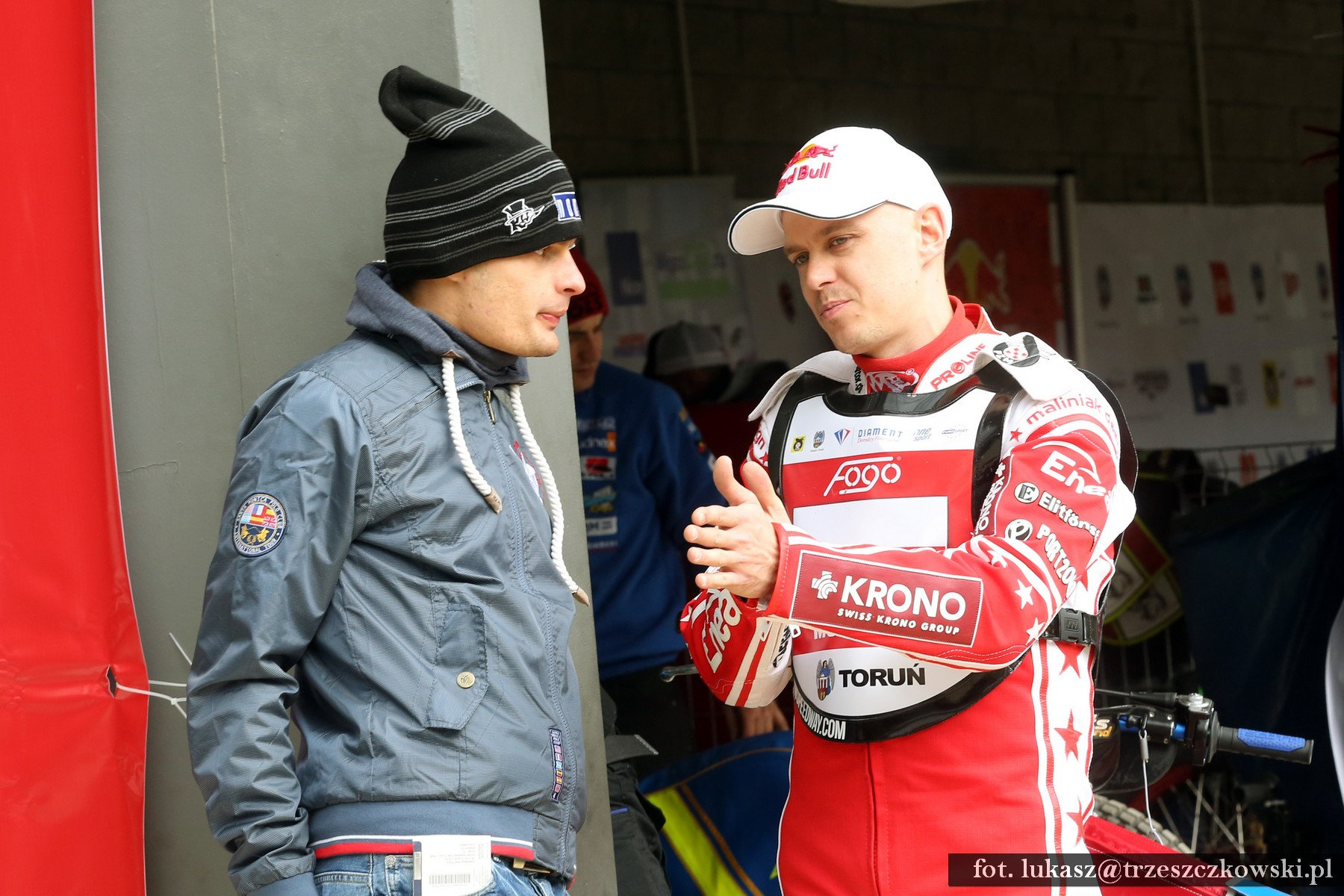
Are you satisfied with your achievements in the national team, or is there a slight sense of dissatisfaction because, as we know, you had significant ambitions?
It’s great to be able to talk about what one has achieved. If I were to go back and analyze what to change, I would probably find many areas. As the saying goes: „A Pole is wise after the damage,” but I can’t change that now and I am happy with what I have. Of course, there could have been more, but the conclusions I draw from those starts and my entire career, I can pass on to younger riders and really use my knowledge in some way.
We have a special edition of the SWC at PGE Narodowy in Warsaw ahead of us, but despite us being the hosts, it doesn’t seem like we are favorites due to the specific and rarely used oval. How do you see these competitions, and if you were to name riders with the greatest potential on such tracks right now, who would be on your list?
We should choose riders who show high form in the given season. Certainly, this includes the riders competing in the Speedway Grand Prix, who regularly adapt to different tracks and compete with the best. When you compete among the best, your level automatically goes „slightly” up, because you have a relevant benchmark comparing their form to yours. If the SGP participants aren’t doing well, we omit them and look further. I think that Bartosz Zmarzlik automatically has such a spot secured as he is an exceptional figure. One can confidently say there isn’t another rider like him in the world, and there are only those trying to catch up.
Łukasz Rusiecki